Description
An ostomy is a surgically created opening in the abdomen—called a stoma—that allows waste (stool or urine) to exit the body, bypassing a damaged or diseased part of the digestive or urinary system. It is used when normal bodily functions are impaired, with waste collecting in a removable, external pouch.
Key Details About Ostomies:
- Purpose: Performed due to diseases like cancer, inflammatory bowel disease (IBD), diverticulitis, or severe trauma.
- Stoma Appearance: A stoma is pink/red, moist, and typically protrudes slightly from the skin.
- Temporary vs. Permanent: Ostomies can be temporary (allowing organs to heal) or permanent (replacing removed organs).
- Living with an Ostomy: Most people with an ostomy live full, active lives, including sports and travel.
Main Types of Ostomies
- Colostomy: Part of the large intestine (colon) is brought to the abdominal surface.
- Ileostomy: The end of the small intestine (ileum) is brought to the abdominal surface.
- Urostomy: A procedure to divert urine away from a bladder that is diseased or removed.
Management and Care
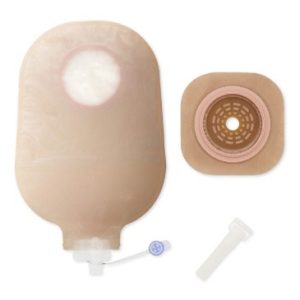
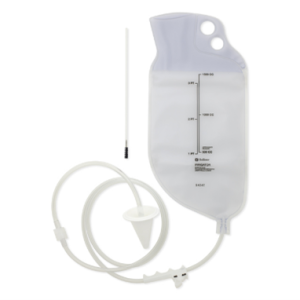
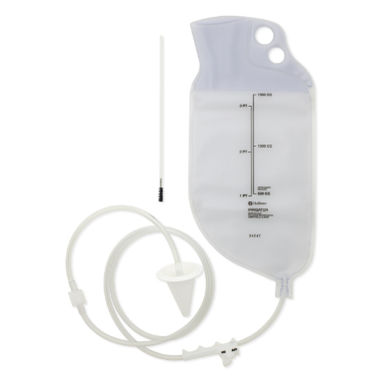
- Pouching System: A specially designed pouch (ostomy appliance) is worn around the stoma to collect waste.
- Skin Care: Protecting the skin around the stoma (peristomal skin) from waste is critical to prevent irritation.
- Dietary Adjustments: Diet may be adjusted, especially with ileostomies, to manage output thickness.